Costume Quality: Why Printed Foam Reads as Cheap — and What to Specify Instead
A costume that looks like a photograph stuck to a shell is usually one flat printed panel over foam. Four lines in a purchase order separate it from a garment.
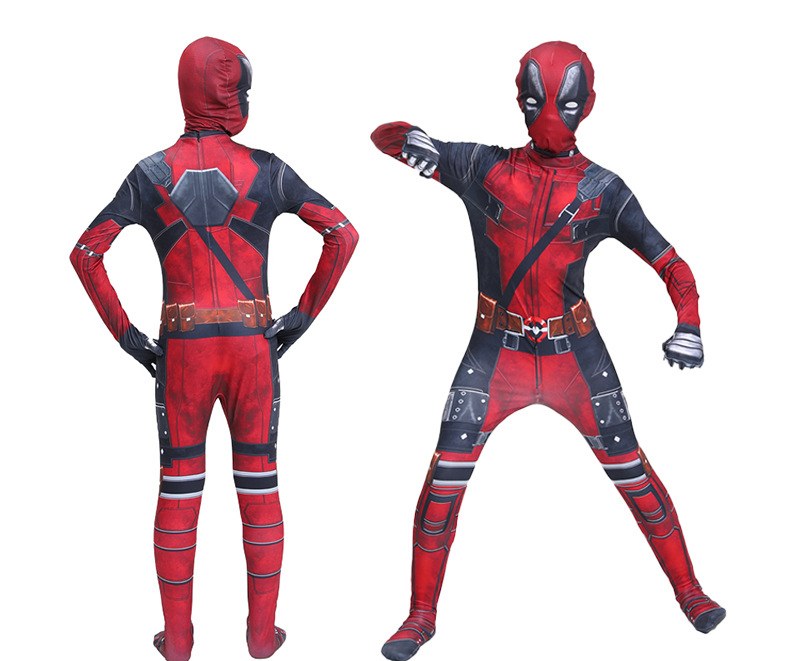
Every October the same complaint surfaces: the costume looked like a photograph in the listing and arrived looking like a photograph in person. That is not a photography problem. It is usually a single printed panel stretched over a foam shell — a construction decision, made early and cheaply, that no amount of styling can hide.
The complaint is about construction, not price
Wearers describe these costumes the same way: an image, stretched over a shape, with nothing that behaves like clothing.
- No seams where the body bends, so the print creases instead of the garment moving.
- Shading printed rather than formed, so muscles and folds are graphics rather than depth.
- Edges that stop at the silhouette, with no binding, piping or hem to read as a garment.
- Print scale that ignores the panel, so a motif lands half on a sleeve and half on a chest.
None of that is a cost problem in itself. A cheap sewn suit and a cheap foam shell can cost the same to ship; they do not look the same on a body.
What a printed costume has to do instead
- Build it from panels. Front, back and sleeve pieces with seams at the bend lines let the print travel with the body.
- Scale the print per panel. The artwork is adjusted so the motif is centred and complete on each piece, not sliced by a seam.
- Add depth where the design implies it. Applied pieces, embossing or quilting do what a printed shadow cannot.
- Finish the edges. Binding or piping is what separates a garment from a shell at arm's length.
- Line where the print would go translucent. A print on light fabric reads cheap before it reads thin.
Where foam earns its place
Foam is not the villain. Rigid pieces — chest plates, shoulder armour, helmet shells — cannot be sewn, and moulded foam is the right material for them. The failure is using it as the whole costume. If foam is a component, spec it: thickness, density, sealed edges, ventilation, and the points where it attaches to fabric. If foam is the garment, the buyer is buying a sign, not a costume.
How to write it into a purchase order
Ask for a panel list with seam positions, a print scale note per panel, and a sample photographed on a body rather than flat on a table. State in the order where foam is permitted and where it is not. Those four lines do more for perceived value than raising the fabric budget.
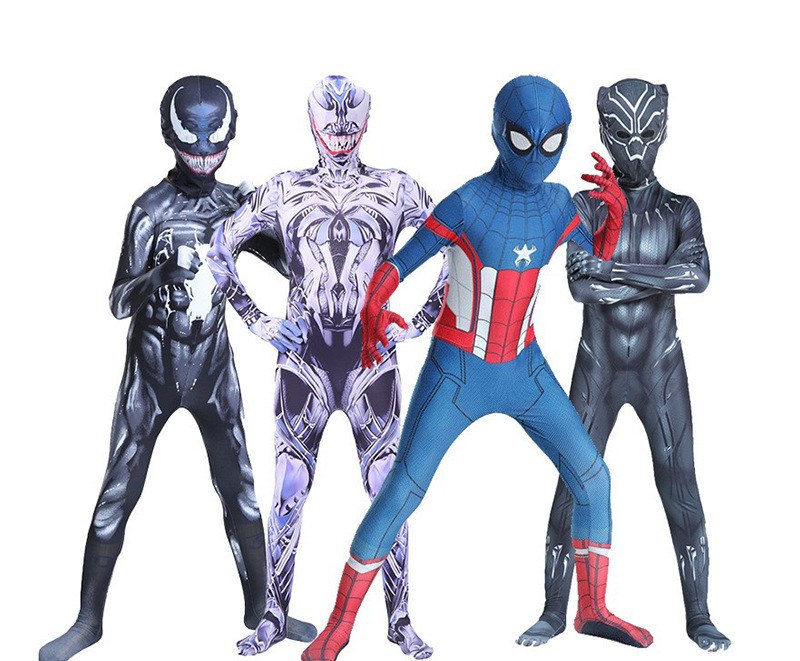
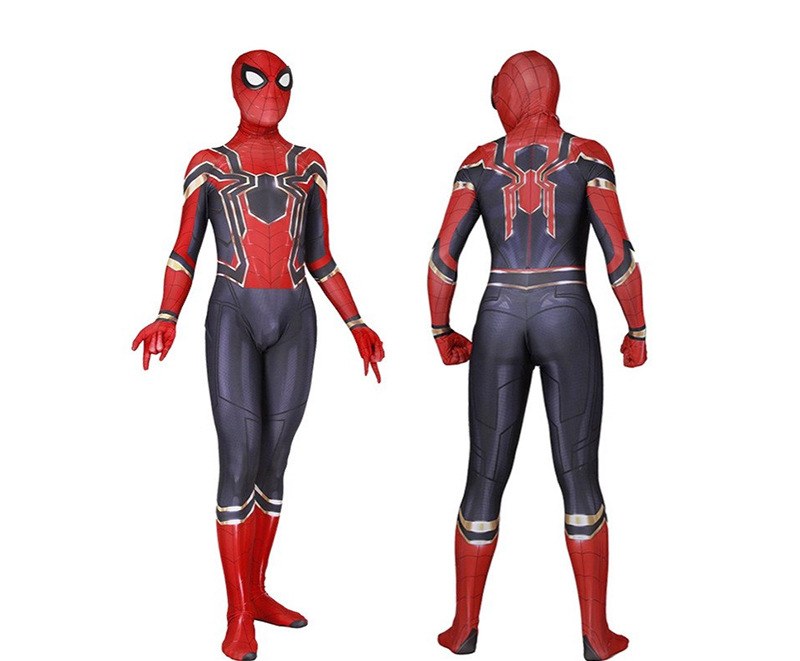
Buyers who ask for sewn panels get a costume that photographs the same way it arrives. Full-print bodysuits and muscle-chest superhero suits sit at the two ends of the same conversation: one lives or dies on panel layout, the other on how the chest form is made and attached. Where the layout has to change for a specific body or for a print you cannot source, made-to-measure suits let you prove the panel plan before committing to a size run.
If you are re-specifying a range for next season, send an inquiry with the styles you carry and we will come back with a panel breakdown, print scale notes and the foam-versus-fabric decision for each piece — or message us on WhatsApp and we can walk through a sample together.
Topic inspiration: r/Halloween_Costumes threads on mass-market costume quality · r/CosplayTips costume-idea and buyer-complaint threads — community discussion themes only; all text here is original.
Need wholesale pricing for these styles?
Send your quantities, sizes and destination market — we reply within one business day with price, lead time and sample options.