Adaptive & Accessible Halloween Costumes: The Gap Buyers Keep Asking For
Wheelchair-friendly and sensory-friendly costume requests are constant in disability communities, and the retail shelf is still mostly empty. Here is the spec that answers them.
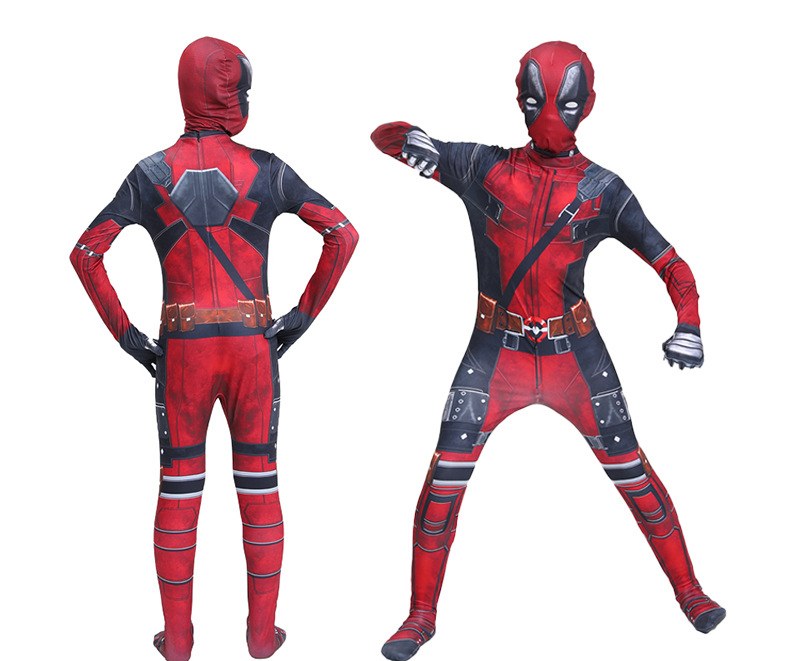
Every autumn, the same request appears across disability, wheelchair and autism-parenting communities: a costume that works as it comes. Not a modified one, not a home build, not "we will figure something out" — a costume designed for the body that will wear it. A few retailers have answered that for children, and the response has been warm. For most sizes, ages and needs, the shelf is still empty.
That gap is a commercial opening for anyone supplying schools, therapy programmes, children's hospitals, inclusive toy shops and event organisers. The spec is not complicated. It is simply different from a standard costume brief.
Designing for seated wear
- Cut for the chair, not the walking body. A seated garment needs a shorter back length, a flat seat area with no bulky seams and no rigid panel behind the torso.
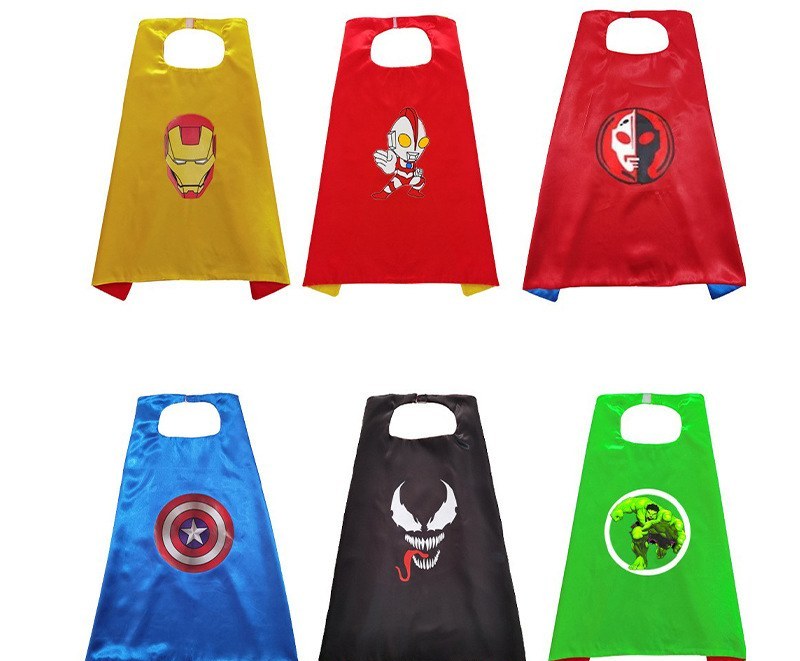
- Keep fabric clear of the wheels. Floor-length skirts, wide sleeves and long capes are the three things most likely to catch a spoke or a brake lever. Short, shoulder-attached capes on a breakaway closure cover the superhero brief without the hazard.
- Let the wearer dress from the front. Back zips are close to unusable seated. Wrap fronts, side openings and soft hook-and-loop closures let someone dress alone or with one helper.
- Treat the chair as part of the silhouette. A car, a rocket, a ship, a flower pot — the designs people ask for by name are the ones that visually include the chair.
Designing for sensory comfort
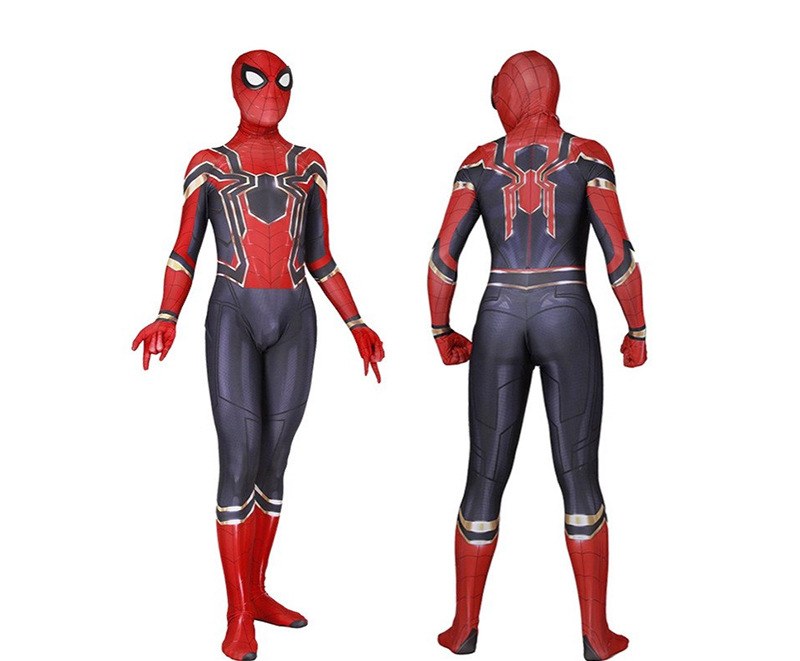
- Two pieces beat one. A single full-body suit is the most common complaint from parents of autistic children; separately wearable tops and bottoms let a child keep the costume on.
- Tag-free, flat seams, brushed lining. Itch is why a costume comes off after ten minutes.
- Offer a mask-free option. Headbands, crowns, ears and hats carry the character without covering the face.
- Nothing loud, nothing blinking. Sound and light modules turn a costume into an event — for many children, that is precisely the problem.
Two rules of respect
Selling into this space carries two non-negotiables. First, a mobility aid is never a costume prop: disability communities are explicit that borrowing a wheelchair for a look is not acceptable. Second, show real users — photograph the range on people who actually use mobility aids, or keep it to product-only shots. A staged model sitting stiffly in a chair reads as costume, not inclusion.
What to ask a supplier
- Can the pattern be cut for seated wear, with a shortened back and closures moved to the front?
- Is there a two-piece version, and is the lining brushed?
- Are masks optional, with a headband or hat alternative in the same print?
- Are capes breakaway or fully detachable?
Those four answers in writing are the difference between a catalogue page that sells and a return.
Our superhero capes set uses detachable, breakaway capes; the kids' animal set is a two-piece build that survives a full school day; and the kids' crown and tiara carries a character with nothing over the face.
Building an inclusive range for a school district, hospital programme or retail line? Send an inquiry with your sizes, quantities and the accessibility features you need — we will reply with a pattern recommendation, MOQ and timeline. Prefer to talk it through? Message us on WhatsApp.
Topic inspiration: r/Halloween_Costumes wheelchair costume idea threads · r/wheelchairs seated-first costume discussions · r/Autism_Parenting sensory-friendly costume threads — community discussion themes only; all text here is original.
Need wholesale pricing for these styles?
Send your quantities, sizes and destination market — we reply within one business day with price, lead time and sample options.