Halloween Costumes for Cold Climates: The Sizing Specs That Wear Over Layers
In cold-climate markets the costume has to fit over a coat, not instead of one. These sizing specs decide whether it gets worn at all.
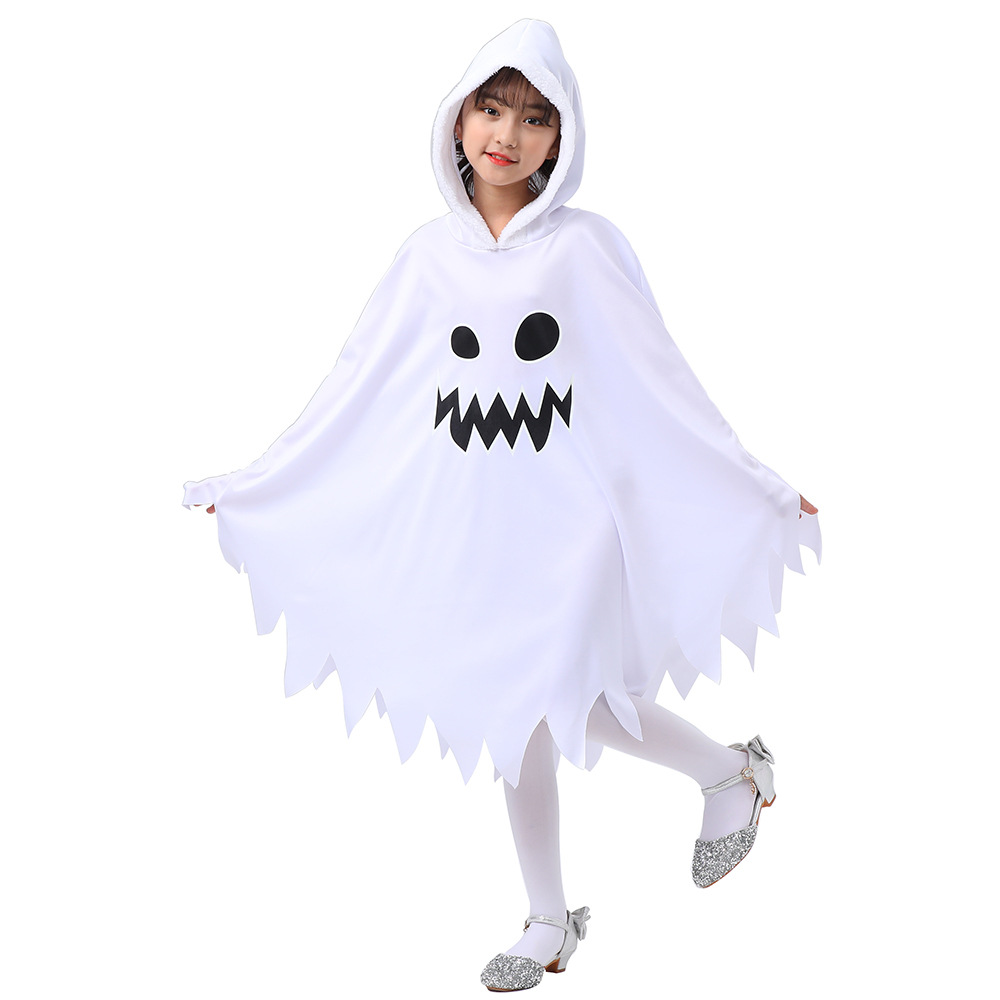
In a cold market the trick-or-treat question is not which costume, but whether the child will wear it at all once the temperature drops. Parents solve it by sizing up and layering underneath — and if the costume cannot take those layers, it stays at home. For buyers selling into the northern US, Canada, the UK and northern Europe, that makes layering clearance a sizing spec rather than a preference.
What the parent threads keep reporting
- "Buy a size up" is the standard advice for cold-weather costumes, specifically so warm clothes fit underneath.
- Layers go under, not over. Parents describe tights or long underwear, then trousers, under dresses and skirts — so the garment has to be cut generously enough to hide them.
- The costume has to clear outerwear. Older generations describe costumes sized to fit over snow suits; the same constraint now applies to a puffer jacket.
- When it does not fit, the costume loses. The fallback is a coat over the top, or no costume at all, and parents describe both.
- Returns arrive after the night, not before it. Costume returns cluster in the first days of November, when unworn or ill-fitting outfits go back.
Where the sizing actually fails
- Armhole and sleeve depth, not body width, is usually the limiting measurement — a jacket needs room at the shoulder.
- Stiff waistbands and non-stretch seams cannot accommodate a base layer.
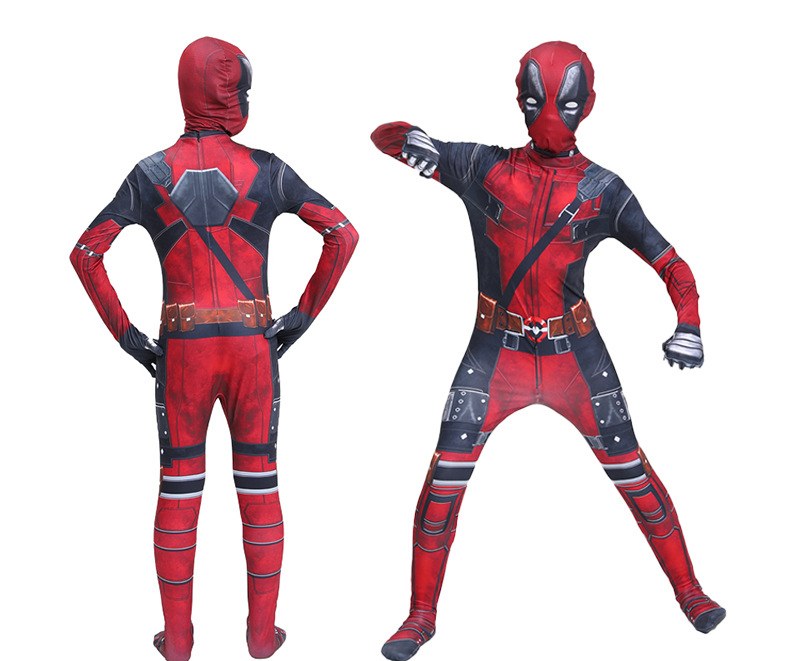
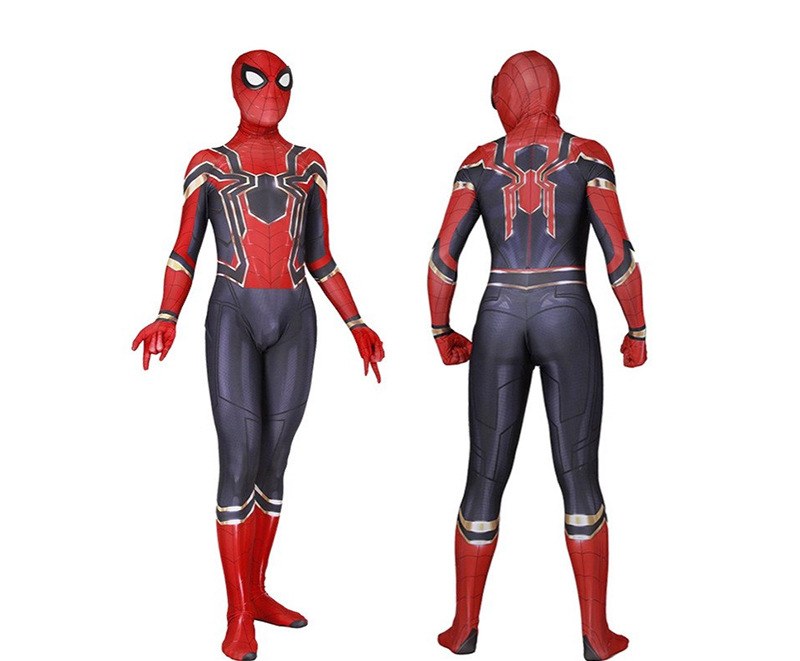
- One-piece suits leave no route in, because the layers have to go under a closed garment.
- Tulle and structured skirts crush under a coat and do not recover for photographs.
- Short hems and thin cuffs leave wrists and ankles exposed on the one evening the child is standing still outdoors.
The specs that solve it
- Generous armhole depth and a wider sleeve head, so the costume goes on over a light jacket.
- Four-way stretch side panels instead of a rigid waistband.
- Two-piece and cape-based designs, which can be layered and removed separately.
- A stated size-up allowance in the size chart, so the buyer knows which size covers a base layer.
- Capes and ponchos cut to wear over outerwear — the simplest cold-weather fix in the range.
- Reflective or glow trim for dark evenings, when the costume is the most visible thing the child is wearing.
- Longer hems and ribbed cuffs at the wrists and ankles.
Why it pays for itself
- "Too small to wear over clothes" is a fit return, and in a cold market it is predictable rather than occasional.
- It sells the size-up. A chart that explains the layering allowance converts better than a warning that an item runs small.
- It protects the cold-market season. In northern regions the wear window is a single evening; if the costume fails that evening, the order is a write-off.
- Visibility is a safety point, and glow or reflective trim is cheap to add at the pattern stage.
Capes are the cheapest way to solve cold weather, which is why a glow-in-the-dark kids cape set covers the dark part of the evening as well as the cold part, and a reversible hero cape set layers over whatever the child is already wearing. Dresses take layers underneath more easily than one-pieces, so a kids’ sequin tulle gown is a better cold-market pick than a hooded kids one-piece, which needs the size-up built in.
Buying for a cold-climate market and want the layering allowance built into the size chart? Send an inquiry with the styles and regions you sell into — we will come back with cut options, size grading and pack pricing. Prefer to talk it through first? Message us on WhatsApp.
Topic inspiration: r/Parenting winterizing Halloween costumes thread · r/Parenting kids costume sizing discussions · r/toddlers cold-weather costume acceptance threads · r/wholefoods post-Halloween costume returns thread — community discussion themes only; all text here is original.
Need wholesale pricing for these styles?
Send your quantities, sizes and destination market — we reply within one business day with price, lead time and sample options.