Cosplay Masks and Helmets: Why Visors Fog, and the Specs That Fix It
A fogged visor is a sealed volume with a moisture source and no exhaust. Here are the specs that keep a mask clear, wearable and sellable.
Anyone who has trooped a sealed helmet knows the sequence: the lens fogs at the edges first, then across the middle, then you lift the mask to see and the illusion is gone. Fogging is not bad luck. It is a sealed volume with a moisture source and no exhaust.
Why a sealed mask always fogs
- Breath is warm and saturated, and the visor sits cooler than your face, so moisture condenses directly onto it.
- A sealed volume never exchanges air. Humidity climbs with every breath until the lens cannot stay clear.
- Foam liners hold the moisture and press it against the lens, which is why a tight, well-padded helmet is often the worst offender.
- A soiled or scratched lens fogs first — condensation forms on imperfections, so clean the visor before any treatment.
The fix that actually works: exhaust, not intake
Builders converge on the same answer: a small fan that pushes air out of the mask, not in. Moving air across the inside of the lens and out through a vent keeps the surface closer to ambient temperature and carries moisture away with it. Two practical points matter more than the fan’s rated airflow:
- Put the exhaust at the highest point of the mask, because warm, moist air rises.
- Give the fan a return path. An intake at the cheeks or chin plus an exhaust at the crown creates a circuit; two vents on the same side simply recirculate the same humid air.
Treat the lens, and treat the seal as a design decision
- Anti-fog coating or film, reapplied before each event, works best on a clean lens.
- A tight nose-bridge seal is a trade-off. It stops breath reaching the lens, but it also traps moisture inside the volume. Cheek venting is often the better answer than a perfect seal.
- Detachable liners can be washed and dried between wears, which matters more to comfort than the coating does.
Visibility is a safety spec, not a comfort feature
- Peripheral field of view: how much of the floor the wearer can see without turning their head.
- Can they look down? Stairs, curbs and children all require it, and "you have to bend at the waist" is a design failure, not a quirk.
- For children’s masks: no dark lenses, clear breathing openings, and adult supervision regardless of the mask.
What belongs on the spec sheet
- Vent positions and the air path through the mask — intake, across the face, exhaust.
- Visor material, and whether the visor is replaceable.
- Measured field of view, and whether the wearer can look down.
- Fan and battery access, if the style is powered.
- Liner material and whether it detaches.
Publishing those five lines converts a novelty into a professional product, and it is what separates a mask that gets worn all night from one that gets returned.
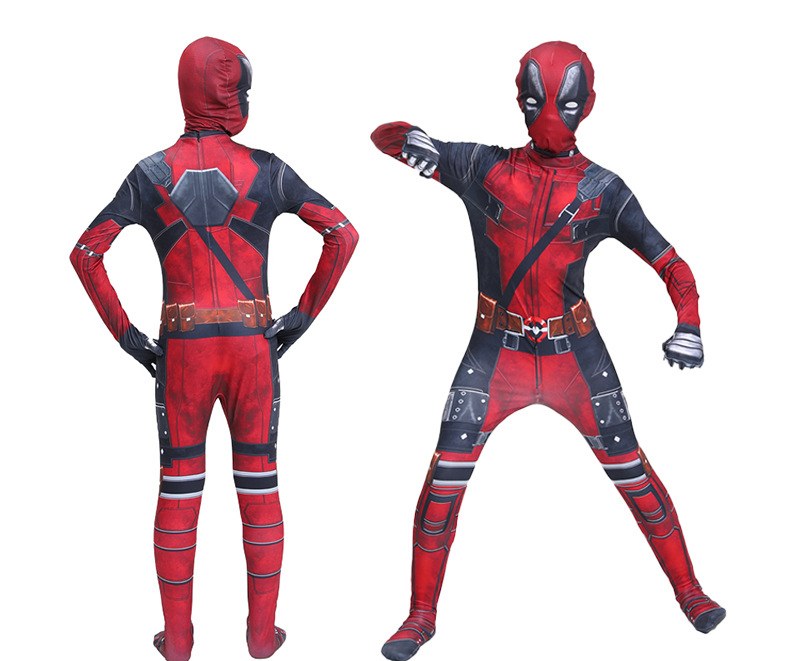
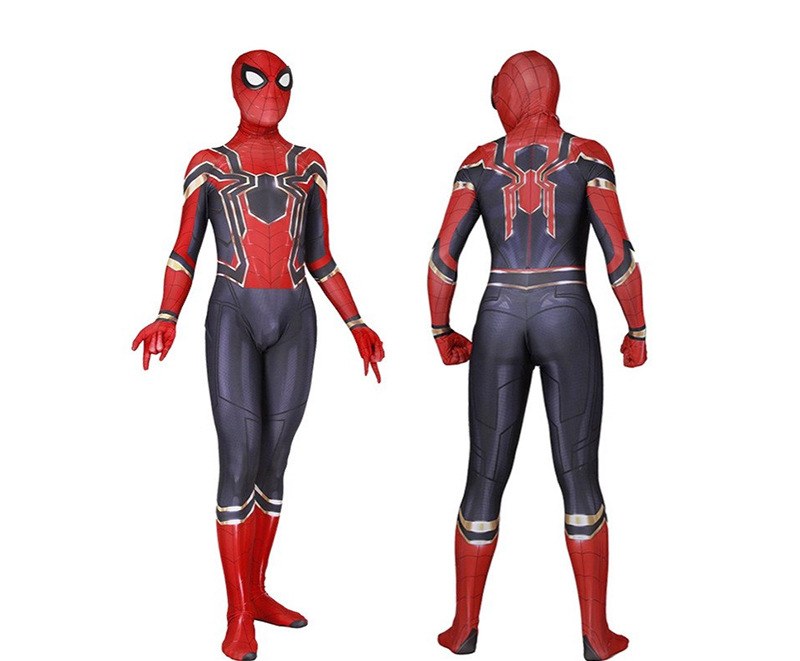
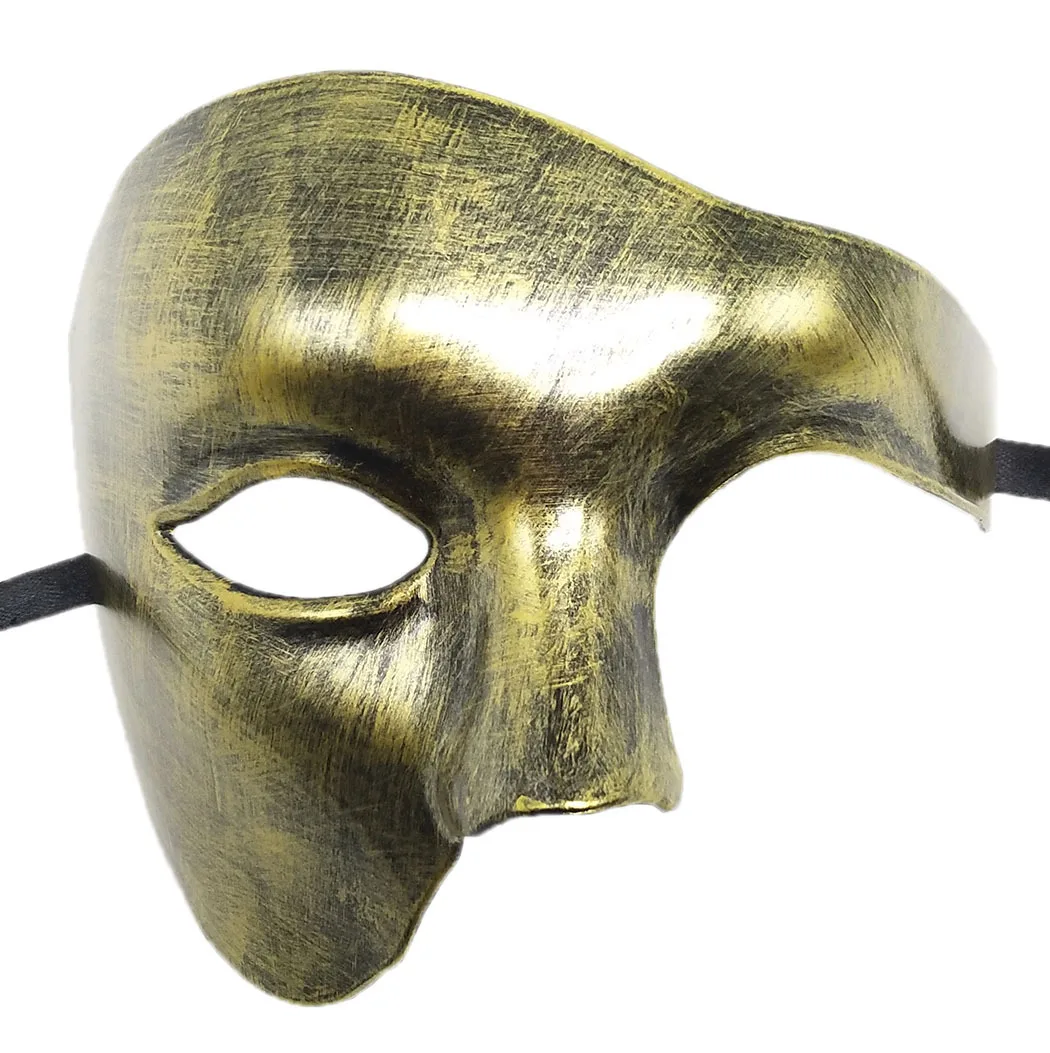
Our Phantom half-face carnival mask leaves the mouth and nose open — which is exactly why half-face masks fog far less than a sealed helmet. For younger wearers, the kids’ crown and tiara carries the character with nothing over the eyes at all, and the kids’ mummy hooded jumpsuit covers the face with breathable gauze instead of glass that fogs.
Stocking masks, helmets or headgear for the season? Send an inquiry with the styles and volumes — we will send vent layouts, visor specs and carton data, plus the anti-fog and liner add-ons that cut visibility complaints. Prefer to talk it through? Message us on WhatsApp.
Topic inspiration: r/cosplayprops visor fogging and ventilation builds · r/501st helmet field-of-view discussion · r/Mandalorian see-and-breathe threads — community discussion themes only; all text here is original.
Need wholesale pricing for these styles?
Send your quantities, sizes and destination market — we reply within one business day with price, lead time and sample options.