Cosplay Size Charts: Why Buyers Can’t Read Them — and the Five Fields That Fix It
Cosplay communities keep answering the same sizing question, and the chart is the reason. Here are the five garment fields that turn a guess into a purchase.
Cosplay communities have an unwritten rule that suppliers rarely see: the size chart is the problem. Ask how anyone chose their last suit and the same story comes back in the same order — the chart listed height and weight, they ordered their usual letter size, and the suit arrived with a torso ten to twenty centimetres off in a direction nobody warned them about.
The signal is loud enough that some communities now run an automatic reply on every sizing question, telling people not to choose from height, weight or their normal clothing size. When volunteer moderators have to answer the same question dozens of times a week, that is not a buyer-education problem. It is a product-data problem.
Why charts fail cosplayers
- Height and weight are not measurements. Two people at 175 cm and 70 kg can differ by 15 cm at the chest, and a bodysuit has no tolerance for that.
- Sizes are quoted as ranges. "Chest 96-104 cm" says nothing about whether the garment is tight at 96 or loose at 104.
- One axis is missing entirely. Bodysuits fail vertically — torso length and inseam — while charts rarely publish either.
- No stretch data. A four-way stretch knit at 10% rebound fits nothing like a low-stretch print, at the same quoted size.
The five fields buyers actually need
1. Garment measurements, not body ranges — chest, waist, hip and inseam taken flat on the finished product, with the seam-to-seam method stated.
2. Stretch and rebound, as a percentage, for each fabric in the style.
3. Torso length and inseam, listed per size, because this is where bodysuits fail.
4. A model reference — the model’s height, the measurements they wore, and the size shown in the studio image.
5. A measuring guide — where the tape sits, and the instruction to size to the larger half of the body.
Why every thread ends with "size up"
Nearly every sizing discussion lands on the same advice: take the larger one, because a tailor can take it in but cannot let it out. That is a rational answer to missing data, and it is expensive. Large sizes sell out first, small sizes sit, and exchanges eat the margin on a suit that was never going to be returned.
Make the chart a profit lever
An exchange on a bodysuit costs more than the price difference between two sizes. Publishing the five fields turns a guessing game into a purchase, and it does something else that matters to wholesale buyers: it makes a size run predictable to stock, because demand stops concentrating on "the size that fits the most people".
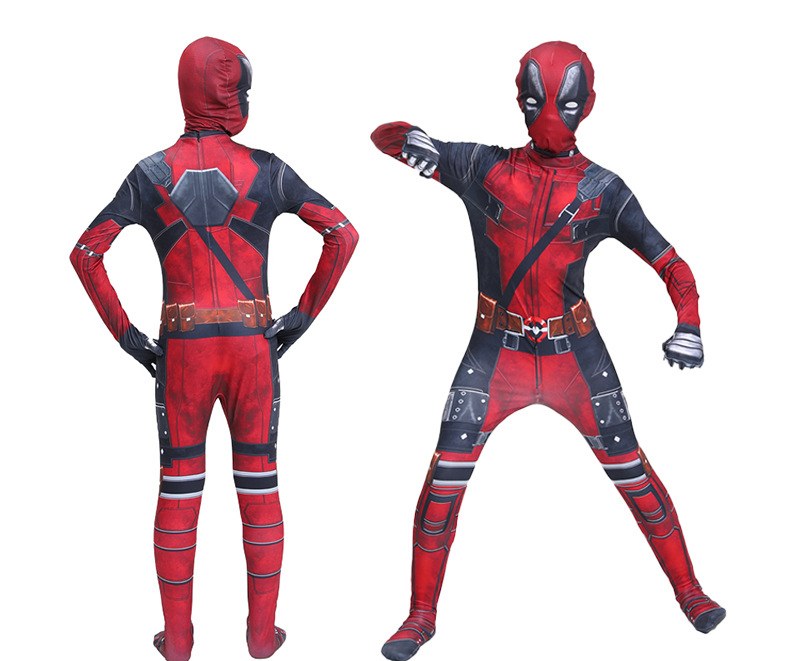
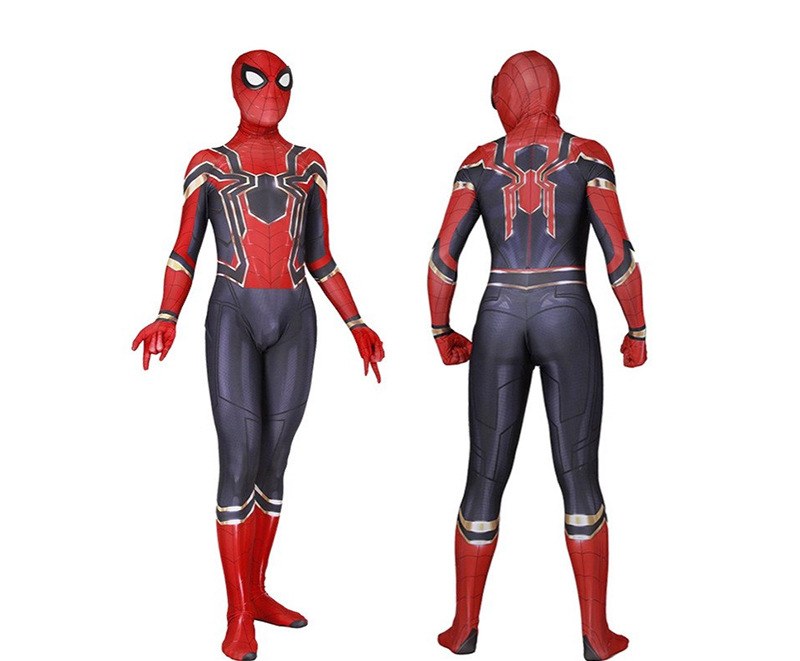
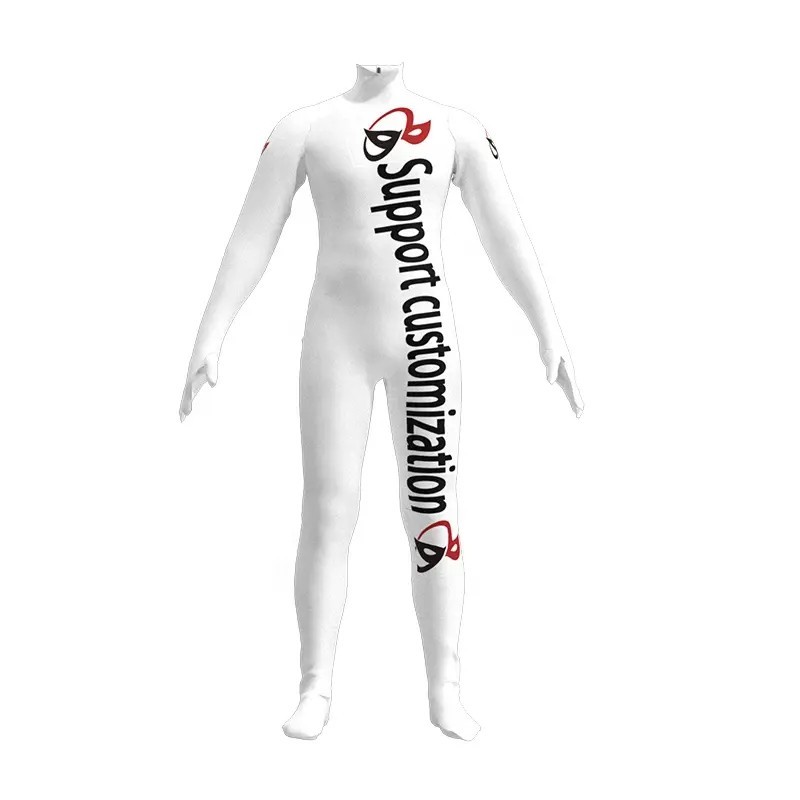
When a buyer genuinely sits between sizes, the answer is not a bigger standard size — it is a made-to-measure cut. Our custom 3D-print bodysuit is built to individual measurements, and both our Spider-Man style suit and the kids’ Venom and Black Panther suit ship with per-size garment measurements on the product data sheet.
Selling cosplay or bodysuits and tired of sizing exchanges? Send an inquiry with the styles you stock — we will send our measurement sheets, the size-run pattern we see on reorders, and made-to-measure terms. Prefer to talk it through? Message us on WhatsApp.
Topic inspiration: r/CosplayHelp size-chart question threads · r/CosplayHelp measurement-over-height/weight advice · r/CosplayHelp sizing-up and garment-measurement discussions — community discussion themes only; all text here is original.
Need wholesale pricing for these styles?
Send your quantities, sizes and destination market — we reply within one business day with price, lead time and sample options.