Costume Care Labels and Wash Specs — What a Costume Has to Survive
The second wave of costume complaints arrives after the first wash, not on delivery — which turns the care label, colourfastness and coating adhesion into sampling decisions.

The first complaint about a costume arrives at delivery. The second arrives a month later, after the first wash or a season folded in a bag: a coated panel flaking, dark sections marking the pale ones beside them, a print that no longer matches the photo. None of it is a defect in the usual sense, and all of it is settled at sampling.
What the care threads keep asking
- Storage is the most common question for coated material. People ask whether to hang the suit, box it, keep it out of sunlight, and whether a plastic bag protects it or traps moisture.
- Dark parts marking lighter parts of the same garment shows up repeatedly, usually after the costume has been folded away for a while.
- Coated "leather-look" surfaces are reported to peel with age, and the view in those threads is that once the coating starts to go, care only delays it.
- Cleaning questions arrive attached to stains, and the answers converge on a damp cloth, no soaking, no scratching and no direct sun.
- Heat is the common thread in wash-damage posts — a printed design that lasted a year can be ruined by one warm wash.
Why care and coating are sampling decisions
- A care label that promises more than the material can do is a return, and the buyer who printed it pays for it.
- Colourfastness is measurable. Whether a black panel marks the pale one beside it is a test result, not an opinion.
- Coating adhesion is a material choice, so it belongs in the same conversation as price.
- Prints are a process choice. Heat and abrasion act differently on each print method, so the care line has to match the process used.
- Storage guidance is part of the product for anything coated, structured or stiffly trimmed.
@@@BLOCK@@@
The care and durability specs to write into the order
- Set the care instruction from the material, not from whatever a competitor prints on a label.
- Ask for a rub-fastness test between the darkest and lightest parts of the same style.
- Specify coated and knit panels by position, so nothing is substituted at sampling.
- Test after three washes on a production unit, not the sealed sample.
- Use an interleaf where a dark coated panel meets a pale one in the bag.
- Put the storage line on the hang tag while the tags are being printed.
@@@BLOCK@@@
Why it pays
- It removes the year-two return, which lands after the season and cannot be resold.
- It protects the listing rating, because the review that kills a listing is written after washing, not on arrival.
- It is close to free at sampling and expensive as an after-sales problem.
- It gives your customer something to pass on, which is what a care card is for.
@@@BLOCK@@@
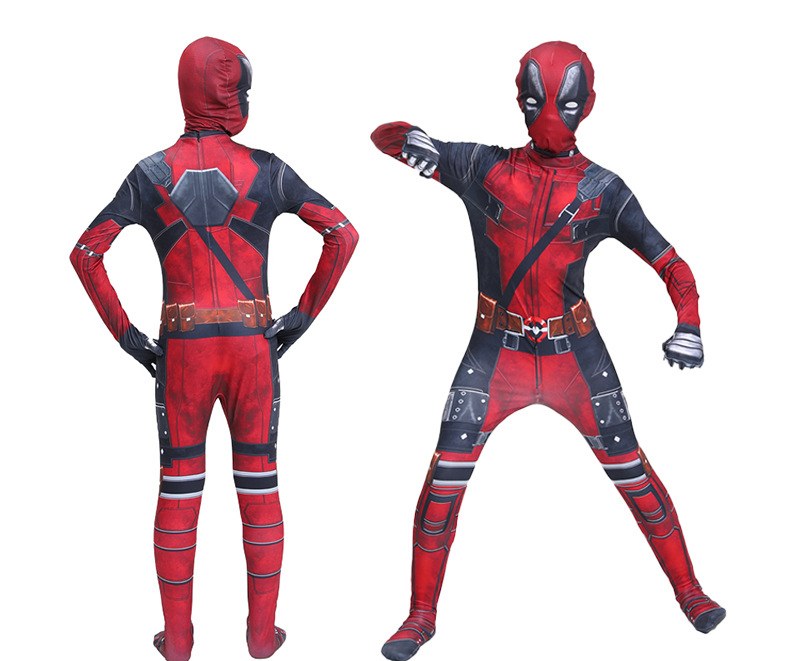
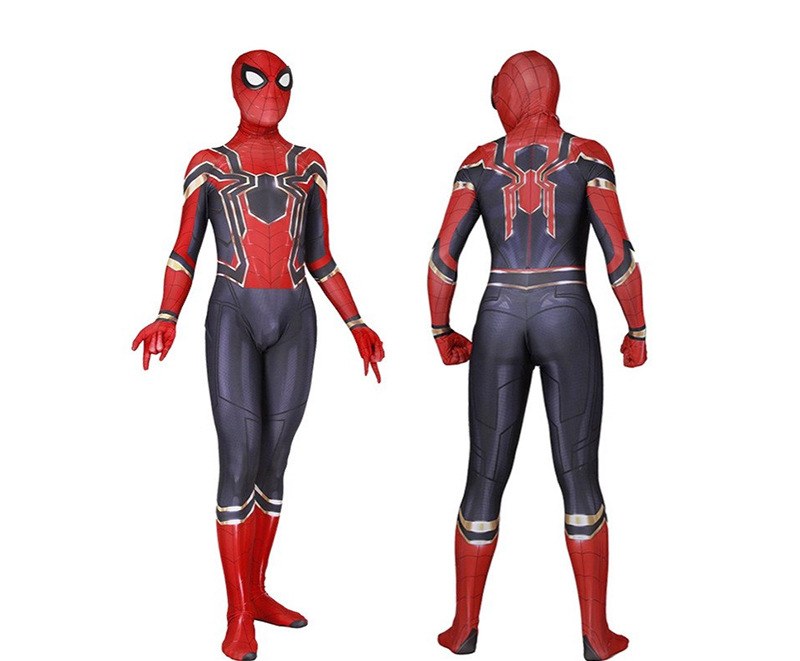
Care wording is easiest to agree on where the material is already the point: a custom printed bodysuit lives or dies on how its print takes heat, a glossy symbiote-style suit is where a coated surface needs its own storage line, a structured knight set shows how much trim one care instruction must cover, and a mesh-eye half-mask is where cleaning advice matters as much as fit.
Want the care labels, rub-fastness testing and storage wording built into the spec? Send an inquiry with the styles you stock — we will come back with material options, test results and pack pricing. Prefer to talk it through first? Message us on WhatsApp.
Topic inspiration: r/CosplayHelp pleather and patent-leather care questions · r/CosplayHelp long-term costume storage threads · r/ZeroWaste PU-leather care discussion · r/laundry and r/CleaningTips wash-damage and dye-transfer threads — community discussion themes only; all text here is original.
Need wholesale pricing for these styles?
Send your quantities, sizes and destination market — we reply within one business day with price, lead time and sample options.