Why Costumes Look See-Through — and the Opacity and Lining Specs That Fix It
The most common "cheap costume" complaint is coverage: sheer fabric, no lining, and panels that go translucent under stretch — all settled at sampling.
The complaint that reads as "cheap" to a buyer is rarely about price. It is about coverage: a costume that looks solid indoors and sheer in daylight, or a bodysuit thin enough that something has to be worn underneath. Coverage is settled at sampling — by fabric weight, lining and panel construction.
What the threads keep reporting
- "What do I wear underneath?" Buyers of thin bodysuits describe adding a thermal top and leggings, then
<omitted chars="672" />
- Buyers solve coverage themselves. A long-running thread on revealing costumes is people adding panels, layers and longer hems after purchase.
- The cheapest substrate is the most sheer. Sewing threads recommend inexpensive sheer knits for costume work and note they do not fray, which is exactly why they appear in low-cost costumes.
Why cheap costumes are see-through
- Opacity comes from yarn mass. A lighter knit costs less per metre and is more translucent; the two facts move together.
- Stretch opens the fabric. Coverage measured flat is not the coverage a wearer sees with the garment on.
- Applied decoration needs a backing, or the reverse of an unlined panel is left exposed.
- Shop lighting hides it. A costume that reads opaque at the counter can go sheer in daylight, which is where it is actually worn.
- No lining is the cheapest build, and it fails no inspection because nothing is broken.
- Pale colourways go first, so one fabric cannot serve the whole range.
The opacity and coverage specs to write into the order
- Set fabric weight per colourway, not once for the style, because pale colours need more mass to read opaque.
- Measure transparency under stretch, on a form rather than flat on a table.
- **Line anything with appl
<omitted chars="686" />
- Set minimum coverage points — hem, shoulder, armhole, rise — as numbers on the spec sheet.
- State whether an underlayer is expected, on the listing, instead of letting the buyer discover it.
- Keep a daylight photo of the sample on a form as the reference for bulk approval.
Why it pays
- Coverage is judged before wearing, so it drives reviews that a fit problem never reaches.
- A lining is a small unit cost; a coverage return is a full landed cost plus freight both ways.
- Coverage requirements differ by market, and the lining is where one pattern is adapted to several.
- It is the cheapest way to look expensive, because the first thing a buyer reads as quality is whether light passes through the fabric.
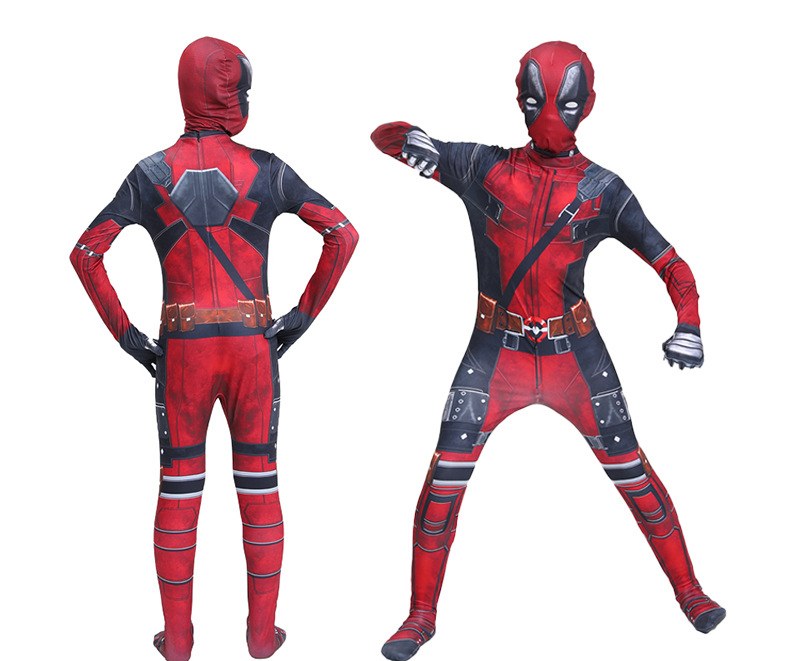
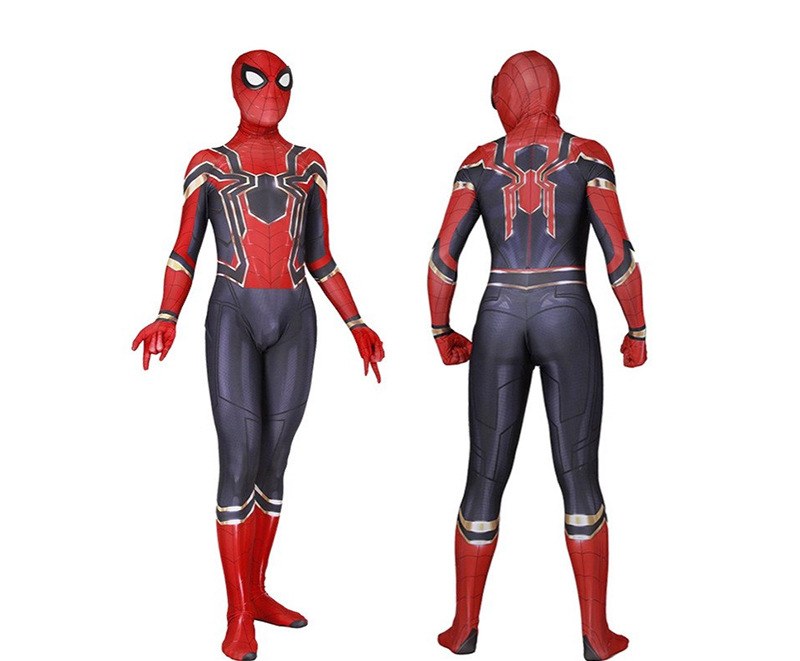
Coverage is easiest to specify where the fabric is doing the most work: a stretch bodysuit, where opacity has to hold at full stretch, and a panelled hero suit, where sheer inserts need a backing. Sequinned styles need the opposite treatment — a sequin dress is only as good as the panel behind the decoration — and the same rule runs through a printed stretch suit, where the print and the fabric weight have to be chosen together.
Specifying a costume and want it to read opaque across the whole colour range? Send an inquiry with the style and the colours you sell — we will come back with fabric options, lining construction and sampling notes. Prefer to talk it through first? Message us on WhatsApp.
Topic inspiration: r/CosplayHelp modesty and revealing costume thread · r/CosplayHelp sheer white material for costume work · r/sewing sheer knit substrate for costume planning · r/Fabrics budget costume fabric behaviour — community discussion themes only; all text here is original.
Need wholesale pricing for these styles?
Send your quantities, sizes and destination market — we reply within one business day with price, lead time and sample options.