Costume Packing Volume: Why Bulky Costumes Cost More to Ship
A costume's freight bill is set by the space it takes up rather than the weight on the scale — which makes packability an order spec, not a logistics afterthought.
A costume's freight bill is usually set by how much space it takes up, not by what it weighs. That makes packability a product spec you agree at sampling — not a logistics detail to fix after the container lands.
What buyers and makers keep running into
- "Clothes don't weigh much, but they take up space." In one shipping thread that single line is the whole problem: a light costume in a large carton is priced as a large carton.
- Oversize, not overweight. A cosplayer pricing a single prop found shipping at roughly $70 one way — about $140 for a round trip — and decided carrying it was cheaper.
- Length is penalised directly on flights. The working rule quoted in one cosplay thread is that many airlines set baggage limits off length + width + height added together, so a long, thin prop can fail a limit while still being light.
- Rigid pieces do not compress. The standard answer for foam armour is a hard case or an airline-approved trunk — which adds volume and weight of its own.
- Long items can attract an oversize fee even by sea, per a thread on buying props from Chinese suppliers.
- Vacuum compression has casualties. One fabrics thread asks plainly whether faux leather or satin gets permanently creased by shrink-pack vacuum suction — the outcome buyers fear.
Why volume, not weight, sets the invoice
- Chargeable weight is the greater of actual and volumetric weight. Forwarder-published guidance shows the air figure built from carton dimensions with a divisor that varies by carrier; sea freight is priced on cubic metres.
- Freight also keys off density class, so a low-density costume carton can price worse than a dense one of the same mass.
- The divisor is not the point — the dimensions are. Carton size is the lever you actually control.
- Every centimetre is paid for twice on a two-way move: outbound and any return.
- It sits in the landed cost of the unit, not in a side line a buyer can ignore.
The packing specs to write into the order
- Buy flat, not puffy. Inflatable-style suits are the clearest case: cheap per unit, expensive per carton.
- Squash the packing, not the garment. Fold and stack flat rather than pulling vacuum on anything coated, printed or heat-sensitive.
- Keep rigid pieces out of the soft-goods carton and protect them in their own pack.
- Ask for a folded-dimension figure per style — the flat pack size — alongside the weight.
- Design joints to come apart, so a long prop can ship shorter.
- Specify the carton before you specify the quantity. Carton size is what the forwarder quotes.
- Confirm density on the first order, before the volume is committed.
Where it shows in a catalogue
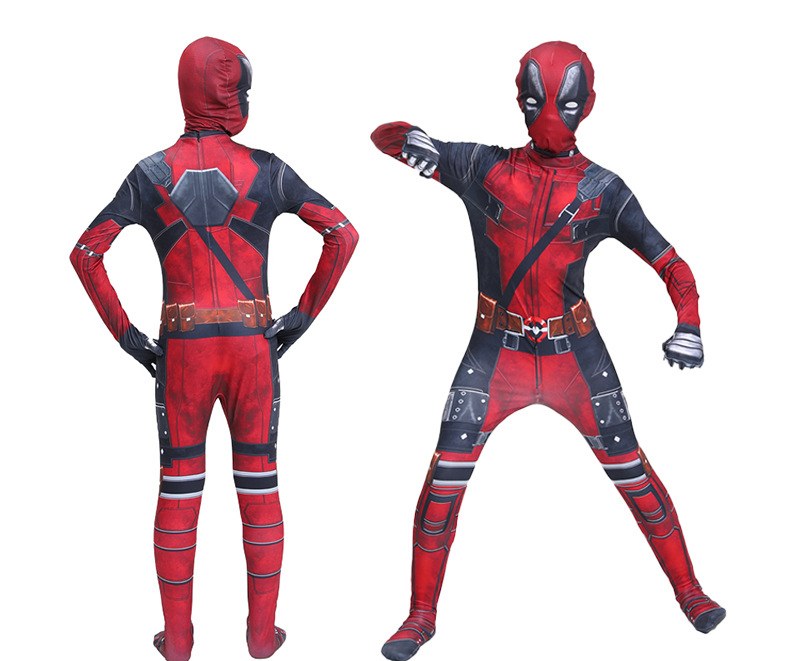
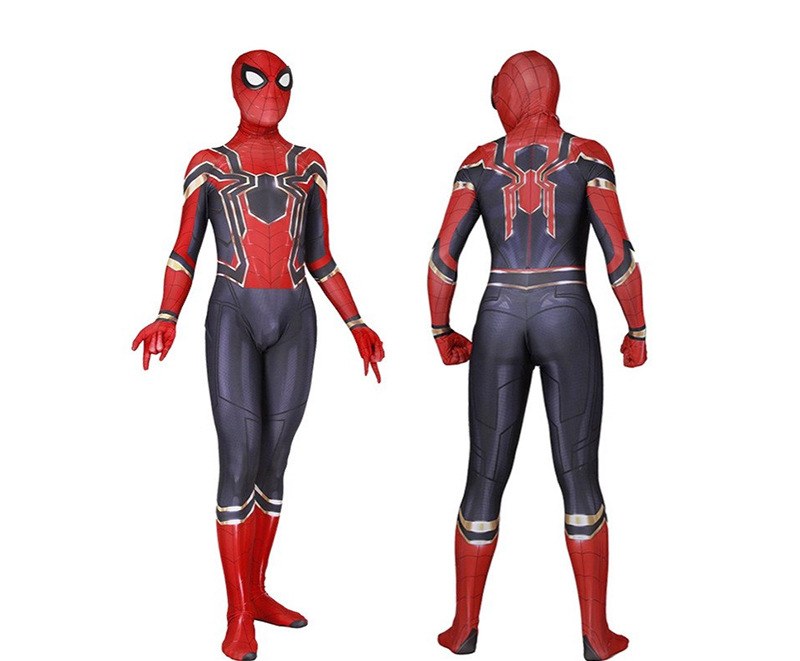
The spread runs from a custom bodysuit, which folds almost flat, to an inflatable character suit, where the air that makes the costume also fills the carton. A layered tunic set costs more to move than its weight suggests, because it is several pieces plus a belt, and a rigid half-mask needs crush protection a polybag will not give it.
Buying costumes by air or by container and want the packing numbers before you commit? Send an inquiry with the styles and quantities — we will come back with flat-pack dimensions, carton specs and pricing built for how the goods actually move. Prefer to talk it through first? Message us on WhatsApp.
Topic inspiration: r/shipping costume and apparel freight cost threads · r/CosplayHelp transporting props and packing discussions · r/Fabrics vacuum and shrink-pack fabric risk thread · r/logistics dimensional weight and density class thread — community discussion themes only; all text here is original.
Need wholesale pricing for these styles?
Send your quantities, sizes and destination market — we reply within one business day with price, lead time and sample options.