What Late-Season Halloween Buyers Actually Buy — and How to Stock the Last Three Weeks
The last three weeks of October reward cheap, size-free and reusable pieces — not another size run of full suits.
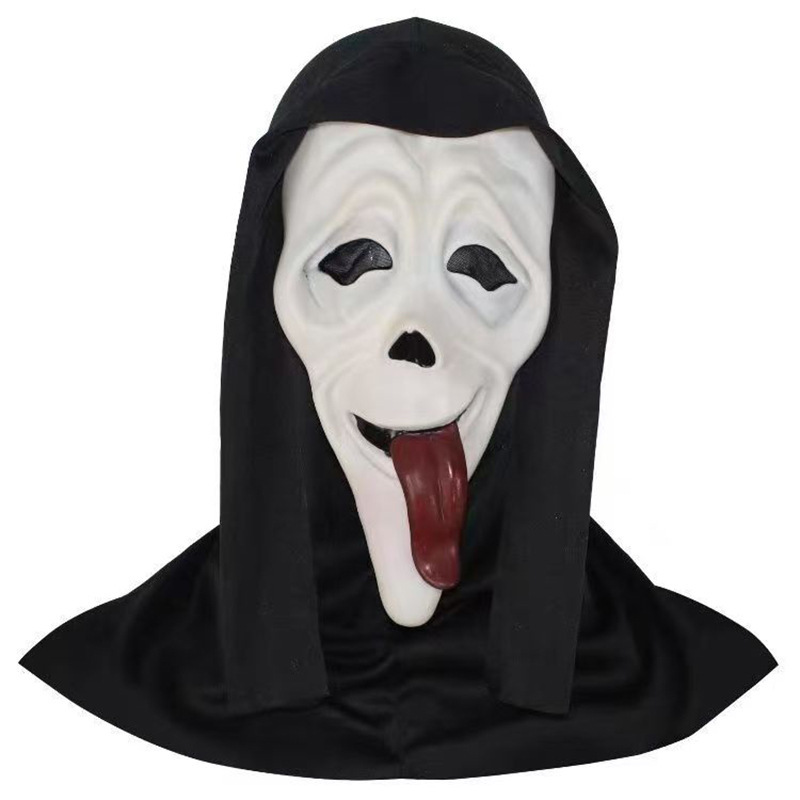
The last three weeks of October do not look like the rest of the season. The threads that take off in mid-to-late October are not about which character suit to buy — they are about a costume that is cheap, quick, and assembled from things the buyer already owns. When the question changes, the stock that answers it changes with it.
What the late-season buyer is actually asking for
- Cheap comes first. Cost is the dominant filter, ahead of character accuracy.
- Low effort. The appeal is a costume that needs no ordering, no fitting, and no building.
- One piece, not a wardrobe. The ask is for a single item that turns ordinary clothes into a costume.
- Reusable. Buyers say plainly that they want something they can wear again, not a single-use outfit.
- Size-tolerant. They are shopping under time pressure and cannot gamble on a fit.
Why demand shifts to one-size pieces
- The core size run of full suits is already gone. Late buyers arrive after it has sold through.
- There is no time for an exchange. A return cannot be replaced before the 31st.
- One-size pieces carry no size risk, so a cape, a mask or a crown converts immediately.
- They read as a costume at a distance, which is all a party or a doorway requires.
- They cross buyer types. The same piece works for adults and for kids, which doubles its stock life.
How to stock the last three weeks
- Keep accessories deep, not full suits in long-tail sizes. A mask, a cape and a headpiece cover more buyers per unit.
- Reorder size-free items first. There is no size curve to get wrong and no dead stock at the end.
- Move the outfit-finishers to the front. The late buyer decides at the door.
- Bundle one mask, one cape and one headpiece just below the sum of the parts, so a rushed buyer takes the set.
- Stop reordering full suits mid-curve. Late demand is thinner and harder to predict than the September run.
- Hold glow and reflective items, because the final week is dark by early evening.
Why it shows up in the numbers
- Attachment without a new decision. The buyer is not replacing anything, so there is no comparison to lose.
- No fit returns on size-free stock — the main cost of a rushed order.
- The same unit sells twice, for a kid's event one week and the party itself the next.
- It clears the shipping cutoff. Accessories air-freight cheaply; full suits do not.
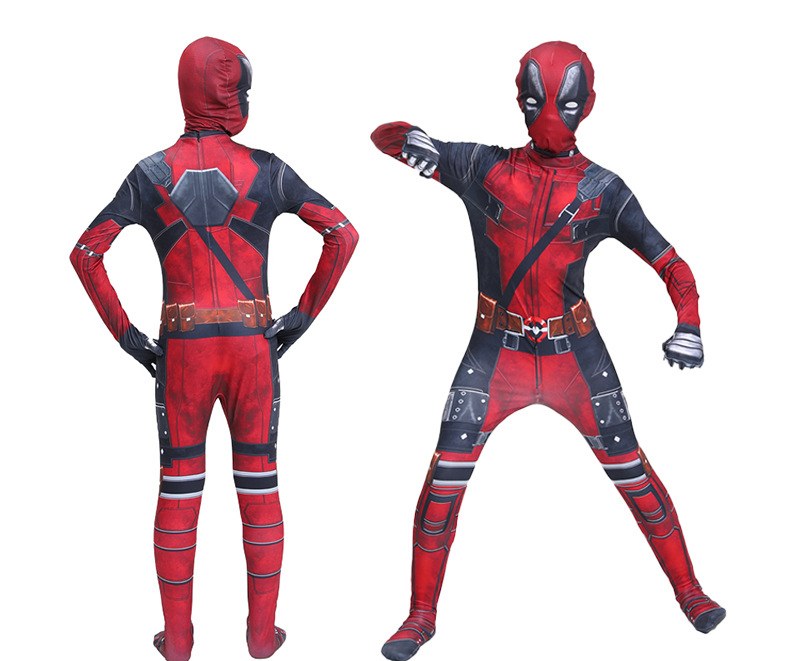
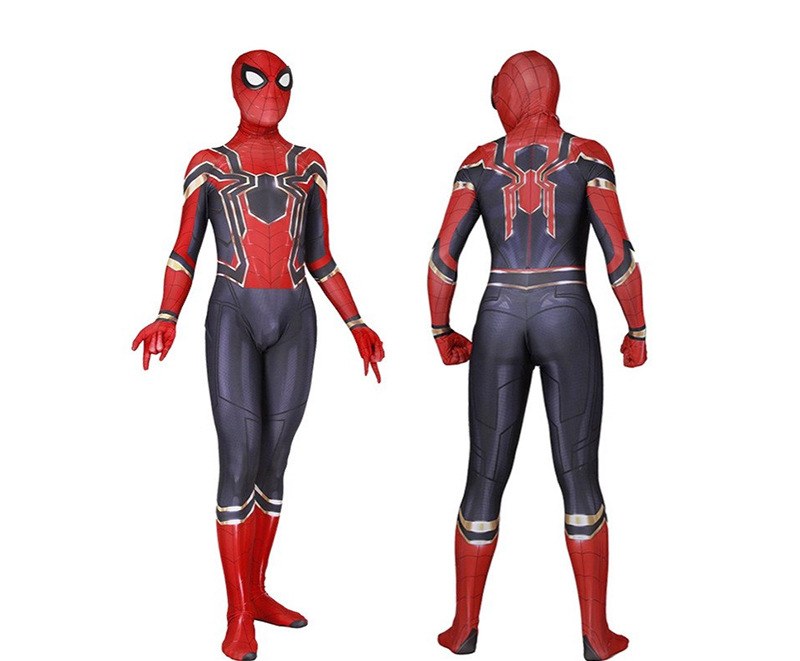
The argument is easiest to see in a one-size half-mask, which fits on the spot with no size decision at all, and in a reversible cape set, which turns whatever someone is already wearing into a costume. A kids' crown and tiara does the same job for a child at the last minute. That is why the late money sits in the pieces rather than in another full-body hero suit, which is an early-season purchase — it needs a size run and time to ship.
Buying for the last three weeks of the season and want the size-free lines that carry them? Send an inquiry with the styles you already stock — we will come back with accessory options, pack ratios and pricing built for a short reorder window. Prefer to talk it through first? Message us on WhatsApp.
Topic inspiration: r/LifeProTips last-minute costume thread · r/Frugal cheap costume discussions · r/malefashionadvice low-effort costume threads · r/Halloween_Costumes reusable accessory ideas — community discussion themes only; all text here is original.
Need wholesale pricing for these styles?
Send your quantities, sizes and destination market — we reply within one business day with price, lead time and sample options.